
Resources

When a practice first moves fax online, the simplest setup is one inbox that everybody can see. It feels efficient: nothing waits on a single person, and anyone can pick up the next fax. Then someone notices that the…

Ask a room of practice managers how long they keep faxed documents and you will hear several different answers, often with HIPAA cited as the reason for each. The confusion is understandable. HIPAA does set a retention…

In most medical offices, one fax number receives everything. Referrals from primary care, results from the reference lab, decisions from payers, refill requests from pharmacies, records requests from attorneys and the…

Fax-to-email solves the fax machine problem by moving every incoming fax into an inbox. It also creates a new one. An inbox that three people watch can become an inbox that each of them assumes the others are handling.…

Two weeks after a referral was faxed, the specialist's office says it never arrived. The referring practice is sure it was sent, but the staff member who sent it is on leave, the paper copy is in a pile somewhere and…

Almost every clinical fax a practice receives ends in the same place: the patient's chart. A consult note, a hospital discharge summary or an outside lab result is only useful to a provider once it is attached to the…
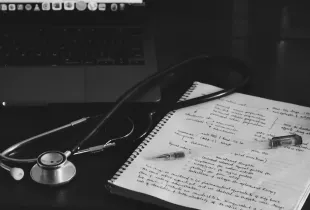
Outside healthcare, fax is a curiosity. Inside it, fax is still how a great deal of work gets done. Referrals go out by fax, results come back by fax, payers send decisions by fax and pharmacies ask questions by fax.…

Ask what fax costs a medical practice and the answer usually comes from the bills: the machine lease, the phone line, the toner and the paper. Those costs are real, but they are rarely the largest. The bigger costs sit…
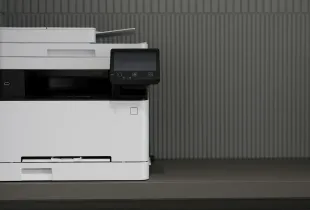
Replacing a fax machine sounds like a small job: sign up for a service, unplug the machine, done. In a medical practice, it carries one large risk that is easy to miss. Documents keep arriving while the change happens.…